Nov . 14, 2024 02:14 Back to list
locomotive fuel economy
The Importance of Locomotive Fuel Economy in Modern Rail Transportation
In the ever-evolving landscape of transportation, the efficiency of locomotives plays a pivotal role in shaping the future of rail systems. Fuel economy is not just a technical component; it is a significant factor that impacts operational costs, environmental sustainability, and overall performance. As railways remain a critical backbone for freight and passenger transport worldwide, understanding and improving locomotive fuel economy becomes increasingly essential.
One of the primary reasons fuel economy is vital in locomotive operations lies in the substantial costs associated with fuel consumption. Diesel locomotives, which dominate freight transport in many parts of the world, rely heavily on fossil fuels. Fluctuations in fuel prices can drastically affect operational expenses, making it necessary for operators to adopt measures that enhance fuel efficiency. Improved fuel economy leads to lower fuel costs, which directly contribute to more competitive pricing in the market, enabling rail companies to offer better services at reduced rates.
Moreover, the environmental implications of locomotive fuel economy cannot be overlooked. As global awareness of climate change and environmental degradation grows, the rail industry faces increasing pressure to reduce its carbon footprint. Locomotives are significant contributors to greenhouse gas emissions, and enhancing fuel economy is one way to address these environmental challenges. By utilizing advanced technologies and optimized operating practices, rail operators can significantly decrease fuel consumption, thus reducing emissions and contributing to a cleaner environment. For instance, implementing fuel management systems and promoting the use of alternative fuels, such as biodiesel or electric energy, can lead to substantial improvements in overall fuel efficiency.
locomotive fuel economy
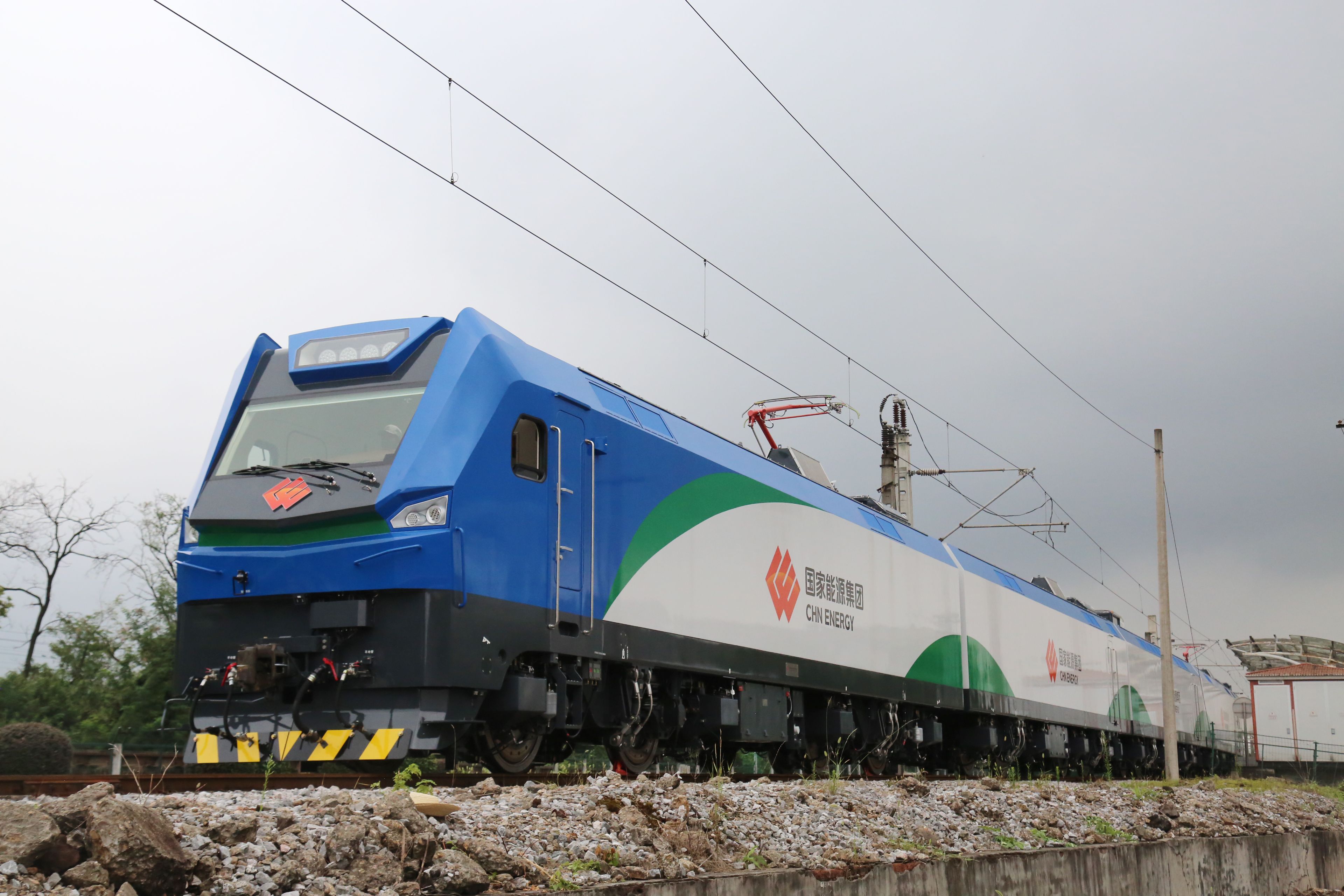
Technological advancements have also played a crucial role in enhancing locomotive fuel economy. Innovations such as computer-aided engineering, hybrid locomotives, and energy-efficient designs are revolutionizing the industry. These technologies allow for more precise control over fuel consumption and enable locomotives to operate at optimal performance levels. For example, the integration of regenerative braking systems can convert kinetic energy generated during braking back into usable energy, thus improving overall energy efficiency. Furthermore, the deployment of big data analytics in locomotive operations can facilitate better route planning, load optimization, and predictive maintenance, all contributing to reduced fuel consumption.
Another factor influencing locomotive fuel economy is the operational practices employed by rail companies. Training locomotive crews to adopt fuel-efficient driving techniques can lead to significant energy savings. Simple measures, such as minimizing idle time, smooth acceleration, and effective speed management, can result in notable improvements in fuel efficiency. Additionally, preventive maintenance ensures that locomotives operate at peak performance, thereby enhancing fuel economy over the long term.
Collaboration within the rail industry is also essential to drive advancements in locomotive fuel economy. Sharing best practices, conducting research, and establishing industry-wide standards can facilitate the adoption of more fuel-efficient technologies and techniques. Partnerships between rail operators, manufacturers, and regulatory bodies can foster innovation, leading to a collective enhancement of fuel economy across the sector.
In conclusion, the importance of locomotive fuel economy cannot be understated. As rail transport continues to play a vital role in the global economy and environmental stewardship, investing in fuel-efficient technologies and practices is crucial. By focusing on fuel economy, rail operators can not only reduce operational costs and emissions, but also position themselves competitively in a rapidly changing transport landscape. With a commitment to innovation and sustainability, the future of locomotive fuel economy looks promising, setting the stage for a more efficient and environmentally friendly rail transportation system.
 Armenian
  English
  Afrikaans
  Albanian
  Amharic
  Arabic
  Azerbaijani
  Basque
  Belarusian
  Bengali