Sht . 15, 2024 16:46 Back to list
broad gauge locomotive
The Evolution and Impact of Broad Gauge Locomotives
Broad gauge locomotives, defined by their wider track spacing compared to standard gauge, have played a significant role in the history of rail transport. This unique design was primarily aimed at enhancing stability, speed, and overall performance of trains, making them a crucial component in the evolution of locomotive technology.
The concept of broad gauge was popularized in the early 19th century, with notable advocate Sir Marc Brunel emphasizing its benefits. The original broad gauge, which measured 2,140 mm (7 ft) in width, was introduced in the UK in 1825 by the Great Western Railway. The innovative design allowed for trains to carry larger and heavier loads, thus catering to the demands of a growing industrial landscape.
One of the primary advantages of broad gauge locomotives is their inherent stability. The wider track allows for a lower center of gravity, which is crucial during high-speed travel or when navigating curves. This stability reduced the risk of derailments, a common concern in early rail transport. Consequently, broad gauge locomotives could operate at higher speeds than their standard gauge counterparts, making them an attractive option for fast freight and passenger services.
In addition to stability, broad gauge locomotives could accommodate larger and more powerful engines. This capability stemmed from the fact that a broader track could support heftier wheels and other infrastructure, thus leading to enhanced pulling power. In regions with vast networks of goods transportation, the broad gauge locomotives became a preferred choice, as they could effectively handle the demands of heavy haulage.
broad gauge locomotive
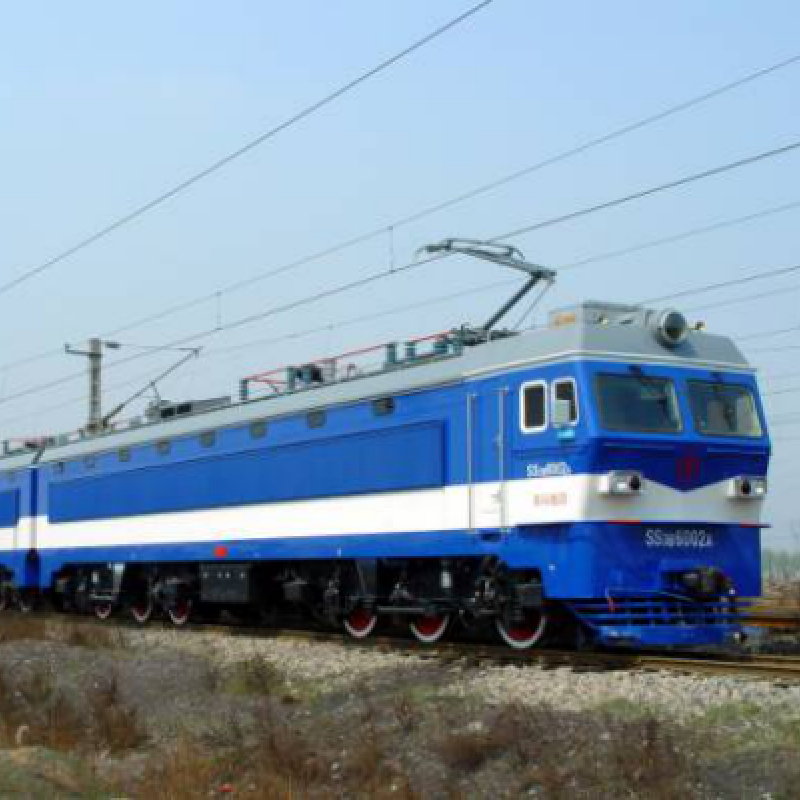
However, the adoption of broad gauge locomotives was not without challenges. One significant drawback was the incompatibility with standard gauge lines. As rail networks expanded, the need for interchangeability became crucial. The differing gauge systems posed logistical nightmares, requiring additional infrastructure and making co-mingling of trains nearly impossible. This limitation ultimately led to a decline in the use of broad gauge in many regions.
Despite these challenges, broad gauge locomotives have left an indelible mark on railway history. Countries such as India adopted broad gauge extensively, aligning with their specific geographical and logistical needs. The 1676 mm Indian broad gauge system is one of the largest in the world and continues to serve as a vital transportation network, proving the resilience and adaptability of broad gauge locomotives.
In contemporary times, broad gauge locomotives are recognized for their historical significance as well as their engineering marvel. Museums and heritage railways across areas once dominated by broad gauge provide insights into the design and technology of these locomotives. They serve both as a reminder of the past and an inspiration for future advancements in rail engineering.
In conclusion, broad gauge locomotives symbolize a critical phase in the development of railway transport, showcasing the balance between innovation and practicality. While their use has diminished in favor of standard gauge systems, their contribution to the evolution of rail technology cannot be overstated. As we continue to explore advancements in transport systems, the legacy of broad gauge locomotives will remain entrenched in the narrative of railway history, reminding us of the importance of adaptability and progress in engineering.
 Albanian
  English
  Afrikaans
  Amharic
  Arabic
  Armenian
  Azerbaijani
  Basque
  Belarusian
  Bengali