Noy . 13, 2024 03:29 Back to list
evolution of the steam locomotive
The Evolution of the Steam Locomotive A Journey Through Time
The steam locomotive stands as one of the most significant inventions in human history, revolutionizing transportation and shaping the industrial landscape of the 19th and early 20th centuries. The evolution of this remarkable machine reflects a rich tapestry of innovation, engineering prowess, and social impact, marking a pivotal moment in the transition from agrarian economies to industrialized societies.
The journey of the steam locomotive began in the early 18th century, with pioneers like Thomas Newcomen and James Watt laying the groundwork for steam power. However, it wasn't until the early 1800s that the first steam locomotive capable of hauling passengers and freight was developed. George Stephenson, often dubbed the Father of Railways, designed the Locomotion No. 1, which operated on the Stockton and Darlington Railway in England in 1825. This monumental event marked the inception of steam-powered rail transport, introducing a new era of efficiency and speed.
As the popularity of rail travel surged, so did advancements in locomotive design and technology. Manufacturers began to explore various configurations, leading to the development of different types of steam locomotives. The early engines were characterized by their simple and robust designs, featuring a vertical boiler and a single pair of driving wheels. These early innovations, however, were soon eclipsed by more sophisticated models that employed multiple cylinders, compound engines, and improved boiler designs, enabling greater power output and efficiency.
The evolution of the steam locomotive was not solely a technical affair; it was also influenced by socio-economic factors. The rapid growth of industry and the demand for efficient transportation of goods led to the expansion of railway networks across Europe and North America. By the mid-19th century, steam locomotives were transforming not only the landscape but also society itself. They enabled the swift movement of goods and people, thereby facilitating trade and commerce, and ultimately contributing to the rise of cities and the urban working class.
evolution of the steam locomotive
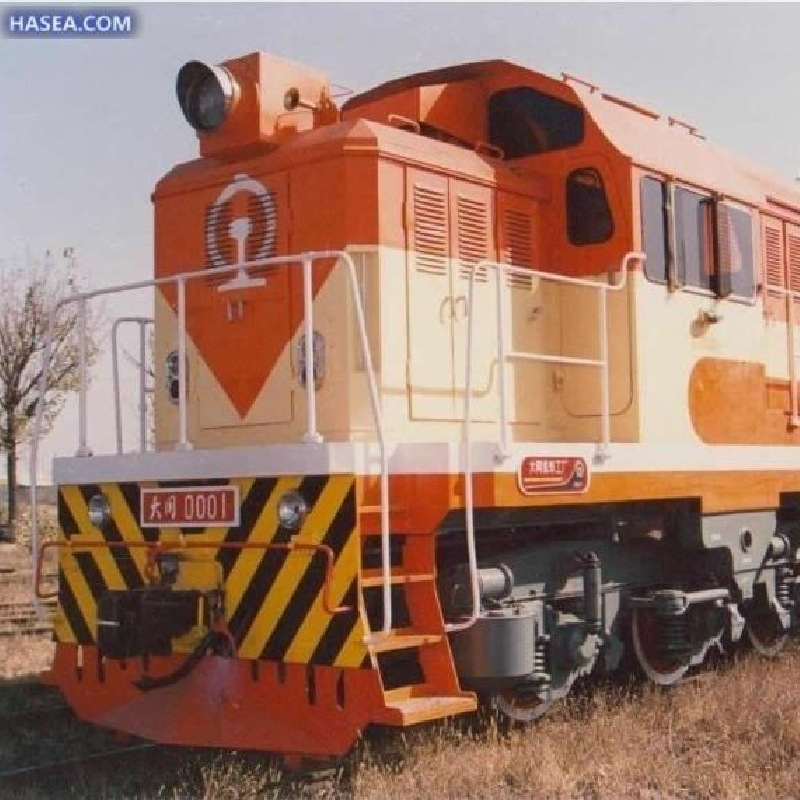
By the late 19th century, steam locomotives had reached their zenith. Manufacturers such as Locomotive Works and the Baldwin Locomotive Works in the United States produced iconic steam engines that showcased both power and elegance. The introduction of larger locomotives, like the Big Boy and the Union Pacific 4-8-8-4, demonstrated the capabilities of steam technology, traversing vast distances and conquering challenging terrains. These behemoths became symbols of progress and human ingenuity, leaving an indelible mark on the fabric of transportation.
However, the steam locomotive's dominance was not to last. The rise of diesel and electric engines in the mid-20th century heralded the decline of steam power. These modern alternatives offered greater efficiency, reduced maintenance costs, and the ability to haul heavier loads with less fuel. By the 1960s, many rail networks phased out steam locomotives in favor of these new technologies, effectively marking the end of an era.
Despite their decline, steam locomotives continue to capture the imagination of enthusiasts and historians alike. Preservation efforts have restored numerous engines to operational condition, allowing modern audiences to experience the marvels of steam technology firsthand. Heritage railways around the world operate vintage locomotives, offering nostalgic journeys that remind us of the golden age of steam.
In conclusion, the evolution of the steam locomotive is a testament to human creativity and perseverance. From its humble beginnings in the early 19th century to its peak in the industrial revolution, steam locomotives not only transformed transport but also left a lasting imprint on society. While they may have been supplanted by newer technologies, their legacy endures, reminding us of a time when steam and steel forged connections across vast distances, forever changing the way we move and interact with the world.
 Azerbaijani
  English
  Afrikaans
  Albanian
  Amharic
  Arabic
  Armenian
  Basque
  Belarusian
  Bengali