Sen . 10, 2024 03:56 Back to list
8V Locomotive Batteries - Reliable Power Solutions for Your Trains
A Deep Dive into 8V Locomotive Batteries Powering the Future of Rail Transport
In the realm of rail transport, efficiency and reliability are paramount. As the industry continues to evolve, so does the technology that powers locomotives. Among the various options available, 8V locomotive batteries have emerged as a popular choice for many rail operators. These batteries not only play a vital role in locomotive operations but also contribute to the overall sustainability of rail transport.
A Deep Dive into 8V Locomotive Batteries Powering the Future of Rail Transport
One of the primary advantages of 8V locomotive batteries lies in their ability to provide consistent energy output. Unlike traditional lead-acid batteries, modern advancements have led to the development of maintenance-free variants that significantly reduce operational downtime. By minimizing the need for frequent checks and servicing, rail operators can focus on the critical aspects of running their services efficiently. Furthermore, innovations such as absorbed glass mat (AGM) and gel cell technologies have enhanced the durability of these batteries, allowing them to withstand extreme temperatures and vibration, common in rail environments.
8v locomotive batteries
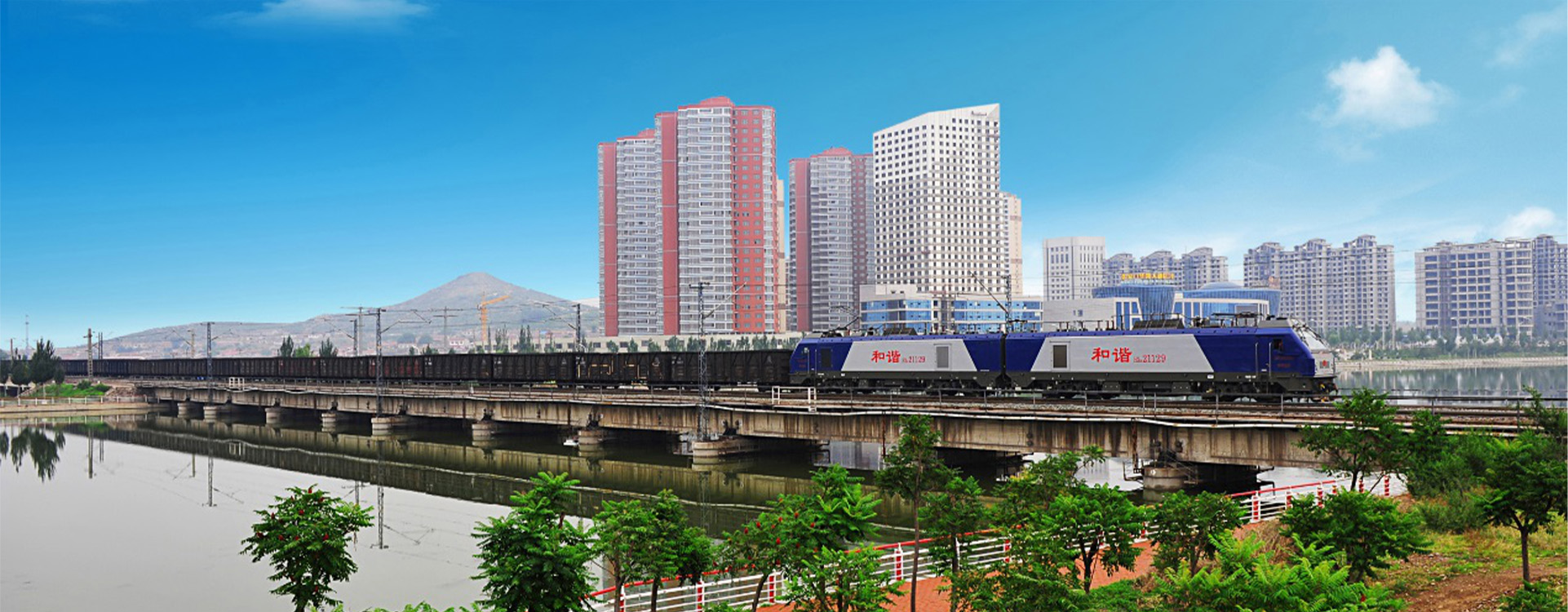
Sustainability is another driving factor behind the increased use of 8V locomotive batteries. As rail operators are pressured to reduce their carbon footprints and adopt greener technologies, the shift toward battery power aligns perfectly with global trends. By using high-capacity batteries, rail networks can not only decrease their reliance on diesel fuel but also explore hybrid and fully electric models in the future. This transition can lead to substantial reductions in greenhouse gas emissions, making rail travel an even more attractive option for environmentally-conscious consumers.
Moreover, the adoption of 8V locomotive batteries supports digitalization efforts in the rail sector. With advancements in battery management systems (BMS), rail operators can monitor battery health in real-time, optimize charging cycles, and extend the life of their assets. Efficient battery management can reduce overall operational costs and ensure that locomotives are always ready for service.
Challenges remain, however. The initial cost of high-quality 8V batteries can be significant, and rapid technological advancements often leave rail operators grappling with the best options for their needs. Additionally, while maintenance-free batteries minimize some operational burdens, their eventual disposal raises concerns about environmental impact. Therefore, a comprehensive approach to battery recycling and responsible disposal is essential in mitigating these issues.
In conclusion, 8V locomotive batteries are crucial players in modern rail transport, offering a combination of reliability, performance, and sustainability. As the rail industry continues to innovate, these batteries will likely evolve alongside emerging technologies, paving the way for a more efficient and eco-friendly future in transportation. Rail operators and manufacturers must work together to harness these advancements, ensuring that the locomotives of tomorrow are not only powerful but also environmentally responsible.
 Azerbaijani
  English
  Afrikaans
  Albanian
  Amharic
  Arabic
  Armenian
  Basque
  Belarusian
  Bengali