Okt . 05, 2024 16:50 Back to list
Exploring the Innovative Design of 1930s Steam Locomotives and Their Impact on Rail Travel
The Golden Age of 1930s Locomotives
The 1930s marked a pivotal decade in the history of rail transport, characterized by innovation, aesthetic design, and the transition towards modern transportation. As the world grappled with economic turmoil during the Great Depression, the steam locomotive emerged as a symbol of progress and resilience, underscoring its essential role in both the economy and daily life of people.
The Golden Age of 1930s Locomotives
The 1930s also saw advancements in technology that revolutionized locomotive engineering. The development of larger boilers, increased horsepower, and improved valve systems enhanced the efficiency of steam engines. Innovations like the mechanically-driven stoker systems allowed trains to carry more cargo over longer distances, which was crucial during a time when the country needed to move goods to stimulate recovery. Diesel locomotives began making their debut towards the end of the decade, foreshadowing the future of rail transport. These new engines promised even greater efficiency, changing the landscape of the rail industry forever.
1930s locomotive
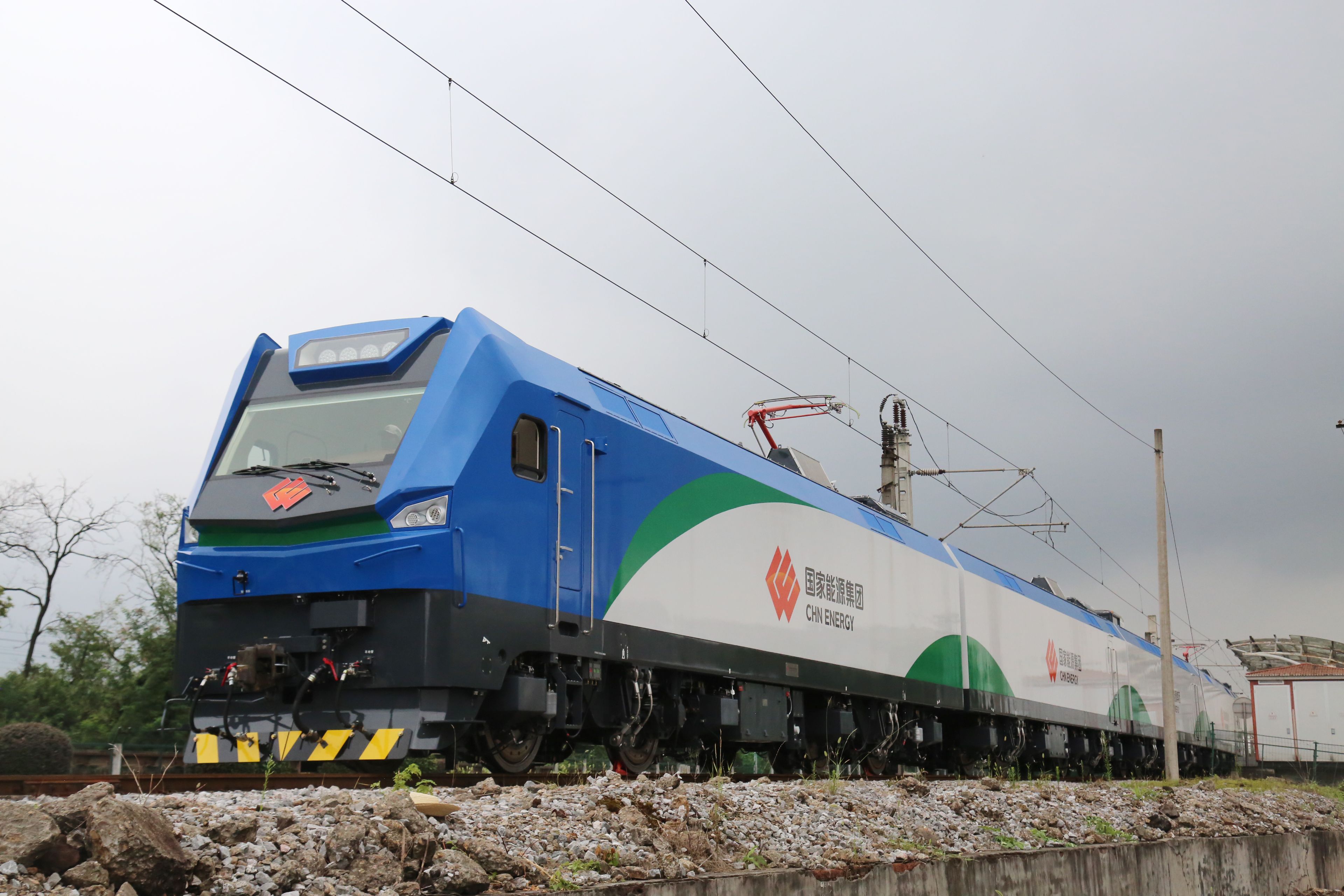
Moreover, the luxury trains of the 1930s epitomized the golden age of rail travel. Companies like the Pullman Company redefined train travel with elegant dining cars, plush sleeping compartments, and lavish observation lounges. Trains such as the Super Chief and the Twentieth Century Limited offered not just transportation but an experience—one that was often accompanied by fine dining and unparalleled service. This era of train travel attracted wealthy customers who sought an escape from the realities of the Depression, offering them a taste of opulence on the iron railway.
The locomotives of the 1930s were also instrumental in supporting the growing mobility of the American populace. As cities expanded and people flocked to urban centers for new opportunities, trains became the lifeblood of commerce and travel. They connected regions, facilitated trade, and allowed families to visit distant relatives. The importance of railroads in maintaining a robust economy during those challenging times cannot be overstated.
In conclusion, the locomotives of the 1930s represented more than just machines; they were embodiments of innovation, luxury, and hope. They played a quintessential role in shaping the transportation landscape of the time, bridging distances, and enhancing the quality of life for many. As we look back, these magnificent steam engines remind us of an era that transformed travel and set the stage for the evolution of modern rail systems, leaving an enduring legacy that continues to inspire rail enthusiasts today.
 Azerbaijani
  English
  Afrikaans
  Albanian
  Amharic
  Arabic
  Armenian
  Basque
  Belarusian
  Bengali